Yara Hughes · 28 September 2026
Reimagining Parametric Geometry for Interactive Museum Exhibit Prototyping
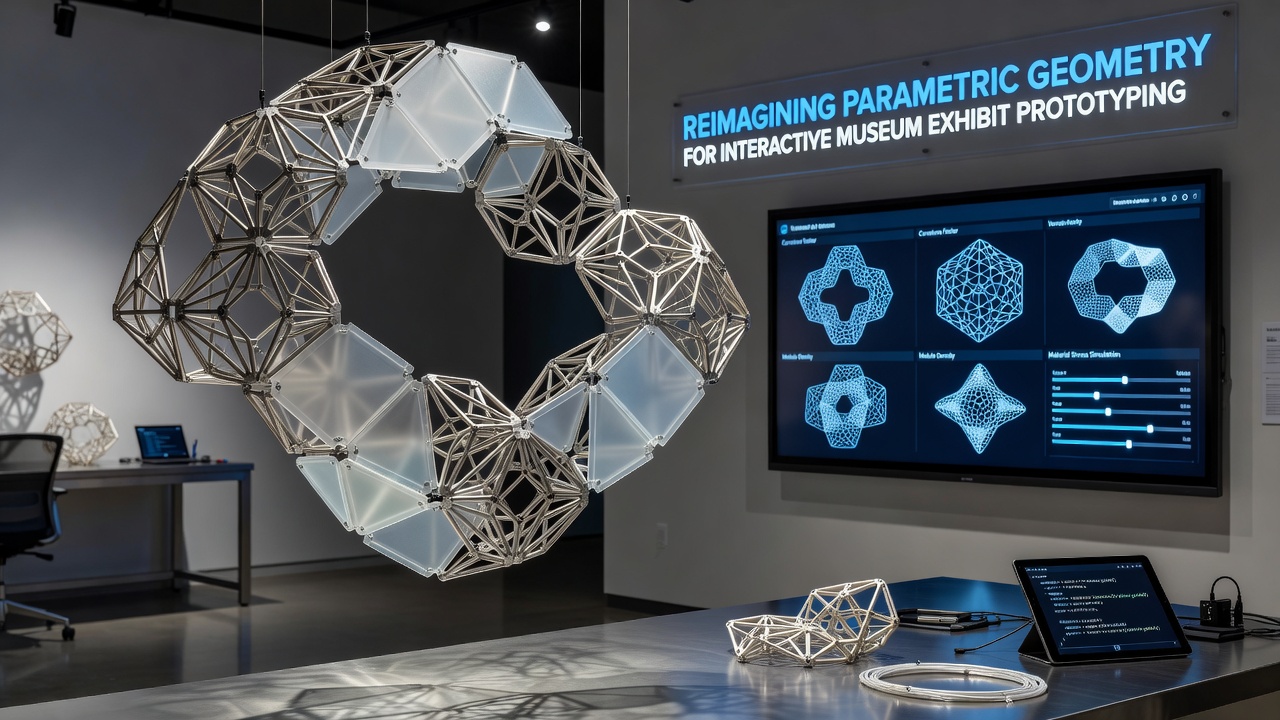
Parametric geometry has shifted how design teams approach the creation of interactive museum exhibits because it allows models to adjust dynamically when parameters change and this flexibility supports rapid prototyping cycles that traditional methods rarely achieve. Designers define relationships between elements such as scale, rotation, and material thickness so that a single adjustment propagates through the entire structure while maintaining structural integrity and visual coherence. Museums benefit from this approach since exhibits often require customization for different visitor groups and spaces and the same base model can generate variants without starting from scratch each time.
Core Techniques in Parametric Workflows
Software platforms that combine visual scripting with three-dimensional modeling environments enable teams to build rule-based systems where inputs like visitor flow data or lighting conditions directly influence output geometry. Researchers at several institutions have documented cases where these systems reduced iteration time by connecting sensor inputs to geometric outputs so that physical mockups could be produced on demand through CNC routing or additive manufacturing. Observers note that integration with digital fabrication tools creates closed loops in which test results feed back into the parametric definition and refine subsequent versions automatically.
One study revealed that teams working on science center displays used parametric definitions to generate families of components that accommodated both adult and child reach ranges while preserving the same visual language across the set. Data from fabrication logs showed fewer material waste percentages compared with static modeling approaches because the script optimized nesting patterns before cutting occurred. Those who've studied these workflows point out that the key advantage emerges when constraints from accessibility guidelines or conservation requirements are encoded as parameters early in the process so that compliance checks happen continuously rather than at review milestones.
Case Applications Across Institutions
European museums have incorporated parametric prototypes into traveling exhibitions where modules must fit varying gallery footprints and a single script can recalculate joint angles and panel sizes for each venue. In North America similar methods appear in natural history halls where interactive fossil displays adjust mounting angles based on specimen weight data imported from collection databases. Australian institutions have explored the same techniques for outdoor interpretive signs that respond to seasonal sun angles by altering shade structures through parametric solar studies linked directly to fabrication files.
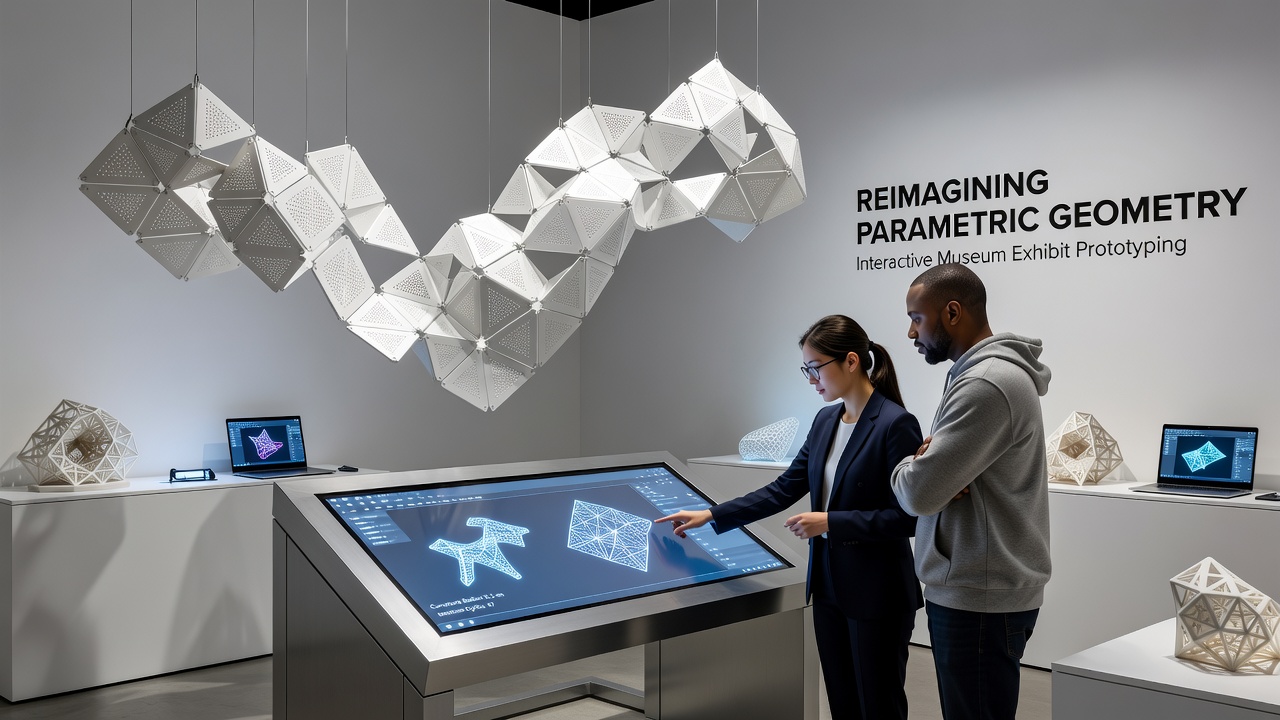
What's interesting is how these projects combine geometric parameters with interaction design variables such as button placement or screen tilt ranges so that the physical form and digital content remain synchronized throughout development. Teams report that visitor testing sessions generate quantitative data on dwell time and engagement that can be mapped back into the parametric model to reposition elements before the next fabrication run.
Integration with Emerging Technologies
September 2026 brings the International Conference on Digital Heritage where sessions will examine how parametric geometry interfaces with real-time sensor networks in museum settings and several pilot projects will present findings on adaptive exhibits that reshape themselves based on crowd density readings. Academic papers scheduled for presentation include analyses of graph-based solvers that handle multi-objective optimization when balancing structural performance against interpretive clarity. Industry reports from research organizations indicate growing adoption of cloud-based parametric platforms that allow remote collaborators to update shared definitions without version conflicts.
Links between parametric models and augmented reality overlays further extend prototyping capabilities because designers can test visitor sightlines and interaction zones in virtual space before committing to physical builds. This reduces the number of full-scale mockups required and allows conservation specialists to evaluate light exposure or touch points through simulation layers attached to the same parametric file.
Conclusion
Parametric geometry continues to reshape prototyping practices for interactive museum exhibits by embedding adaptability into the design definition itself and this capability supports institutions that must serve diverse audiences within changing physical and budgetary constraints. Evidence from multiple regions demonstrates measurable gains in iteration speed and material efficiency when teams encode constraints and performance criteria as adjustable parameters from the outset. As conferences in 2026 highlight new integrations with sensor systems and digital fabrication the approach is positioned to expand further into permanent installations and traveling shows alike.